
Cancer and Prevention
Silent SpringThis flow follows Carson’s argument from environmental carcinogens toward prevention rather than reliance on cures alone.
increasing Bearing strength in each event
 decreasing
Bearing strength in each eventdecreasingEnvironmental Causes Recognized
Cancer and the Environment
Pott’s Observation
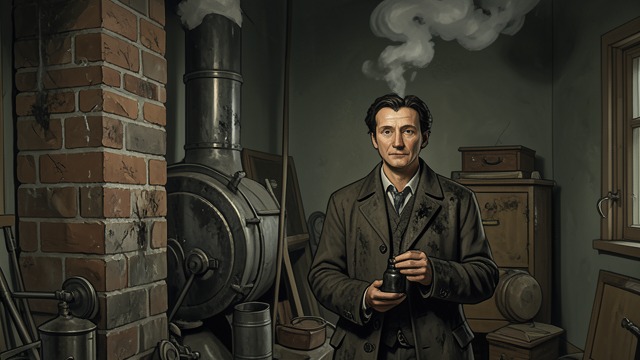
Percivall Pott associated chimney sweeps’ cancer with soot. Later research supported the insight that substances in the environment could cause malignant disease.
Industrial Expansion
As industry created new chemicals and exposures, contact with carcinogens spread beyond particular occupations. Carson frames the resulting change as a mismatch between rapidly altered surroundings and slowly adapting biology.
A Growing Public Concern
Cancer Enters the National Picture
Rising Mortality
Carson cites statistics showing that cancer accounted for a larger share of deaths than at the beginning of the twentieth century. She also draws attention to disease among children and to cancers present early in life.
Exposure Before Birth
The possibility that substances could cross the placenta added urgency to the issue. The potential effects of environmental chemicals might begin before a child was born and remain hidden for years.
Pesticides Under Suspicion
A Question of Carcinogenicity
Evidence in Animals
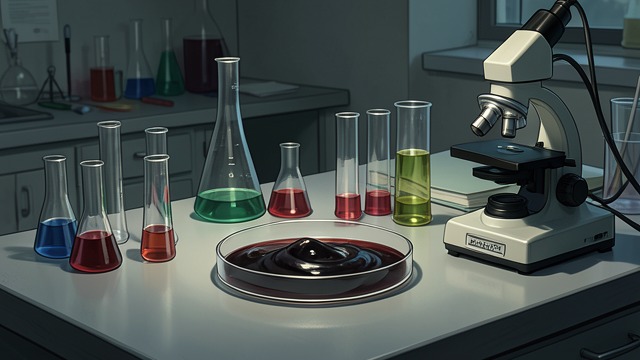
Carson reviews pesticides associated with tumors in laboratory animals, including arsenic compounds and chemicals used as insecticides or herbicides. She distinguishes direct evidence from concerns based on indirect or circumstantial findings.
Time Delays Judgment
Many malignancies take years to become visible. The absence of immediate illness after a chemical enters use therefore cannot establish that long-term exposure is safe.
Multiple Exposures Compound Risk
No Simple Safe Dose
Many Sources
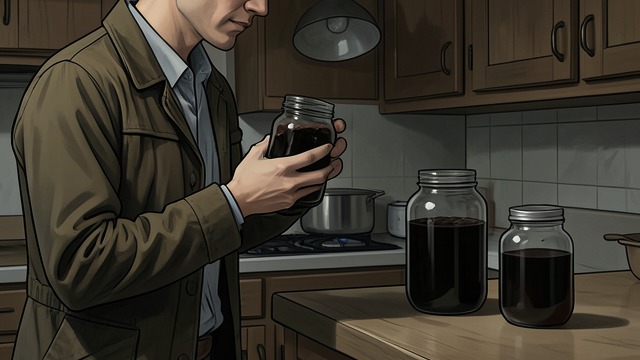
A person may encounter the same chemical through air, water, food, and consumer products, while also encountering other substances. Carson argues that isolated tolerance levels fail to capture this complexity.
Prevention Takes Priority
Where agents can interact or accumulate, a single permitted amount may not describe the total risk. The argument points toward reducing carcinogens in the environment rather than waiting for certainty after exposure.
Prevention Before Cure
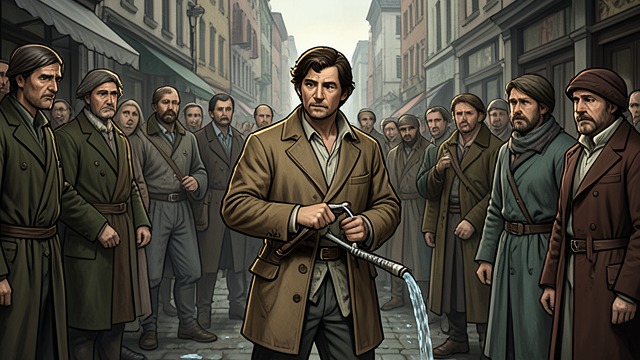
Removing the Cause
A Public-Health Analogy
Carson recalls John Snow’s intervention against cholera through removal of the handle from the Broad Street pump. The episode illustrates how preventing exposure can control disease without relying only on treatment.
The Ethical Choice
Medical research and treatment remain important, but they cannot substitute for reducing avoidable carcinogens. Carson’s prevention argument gives future generations a claim on present decisions.
From 1775 into the Industrial Age
By 1958
As the book surveys chemical evidence
Near the conclusion of Chapter 14
At the end of Chapter 14
